
How Long Should an Outdoor Advertising Campaign Run?
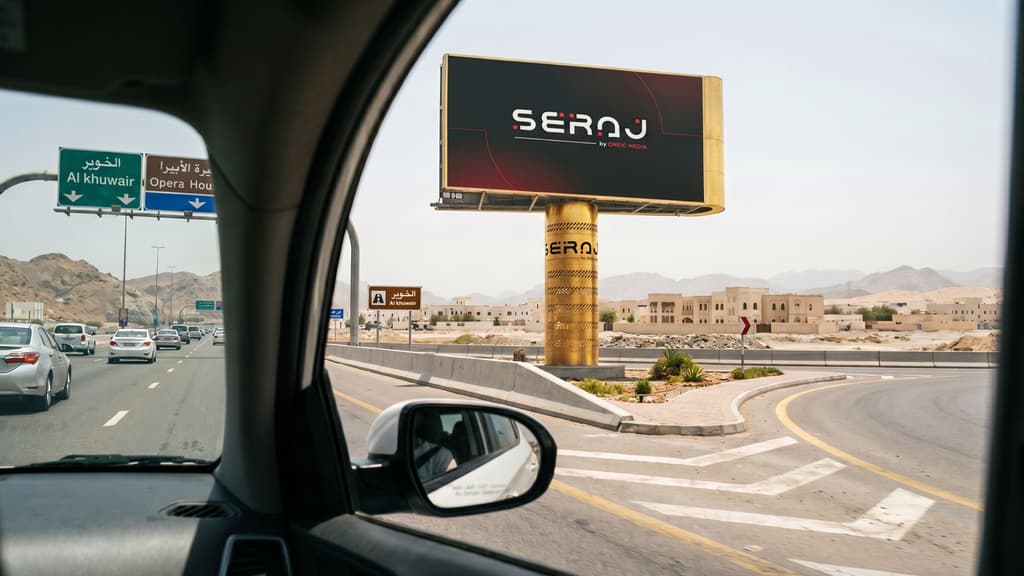
Intro
Planning an outdoor campaign takes more than just picking a good billboard and putting together decent artwork. One of the bigger calls you'll actually have to make is how long the whole thing should stay up.
A lot of businesses land on the same question — is a few weeks enough, or should this run for months? The honest answer depends on a handful of things: your goals, who you're actually trying to reach, your budget, and which type of outdoor advertising you're running.
Cut a campaign too short and people never get enough exposure to actually remember your brand. Leave it running long after it's done its job, though, and you're probably wasting budget that could go somewhere more useful.
This guide walks through what actually shapes campaign length, how to land on the right timeline for your business, and how to squeeze more value out of what you're spending.
Why Campaign Duration Matters
Unlike a lot of online advertising, outdoor advertising leans heavily on repeated exposure. People rarely make a decision off seeing something once. They get familiar with a brand by seeing the same message again and again as part of their actual daily routine.
Someone commuting the same road every day, say — seeing your billboard on the way to and from work reinforces the brand and keeps it lodged somewhere in the back of their mind.
A well-planned duration can help you:
- Build recognition over time
- Improve recall through repetition
- Reach regular commuters and newer audiences alike
- Support whatever else you're doing marketing-wise
- Get more actual value out of the spend
The longer people have a chance to see your ad, the more likely they are to think of your business when they actually need what you offer.
Is There an Ideal Campaign Length?
Not really — there's no universal timeline that fits every campaign.
The right length comes down to what you're actually trying to achieve. Some campaigns are built for long-term brand awareness. Others are focused on a limited-time offer or an upcoming event.
Different goals tend to call for different timelines. For example:
- Brand awareness campaigns generally benefit from longer runs that let people get genuinely familiar with the brand
- Product launches often start before the actual launch date and keep going afterward to hold onto the momentum
- Seasonal promotions line up with specific times of year
- Event advertising focuses on building anticipation before the event itself
- Local business campaigns might just run continuously to maintain visibility in the community
Rather than sticking to a fixed schedule, it's better to pick a length that actually supports what you're trying to do.
Factors That Determine Campaign Duration
A handful of things should actually factor into this decision.
Campaign Objectives
Your advertising goals are probably the single biggest driver here. For instance:
- Brand awareness usually needs longer exposure to build real recognition
- Sales promotions tend to run only as long as the offer's actually active
- Product launches might run for several weeks before and after the launch itself
- Event campaigns generally ramp up visibility as the date approaches
Getting clear on the actual goal helps you land on how long the campaign should stay active.
Target Audience
Think through who you're actually trying to reach.
Different audiences travel differently. A daily commuter might pass your billboard several times a week. A tourist or occasional visitor might only see it once, if that.
Understanding how your audience actually moves helps you figure out how much exposure you actually need to hit your goals.
Billboard Location
Location matters a lot here too.
Ads placed along:
- Major highways
- Busy city centers
- Commercial districts
- Shopping areas
- Roads connecting residential neighborhoods to business hubs
tend to get consistent traffic all day long.
High-traffic spots help a campaign build awareness faster simply because more people pass it every day.
Billboard Format
The type of outdoor advertising you're running shapes duration too.
Static billboards suit campaigns with steady, unchanging messaging over a longer stretch.
Digital billboards and LED screens offer a lot more room to move — creative can update remotely, ads can rotate throughout the day, and time-sensitive offers can go up without ever replacing physical material.
That flexibility lets digital campaigns adapt more easily while still maintaining a continuous presence.
Budget
Duration also needs to actually fit your budget, obviously.
Running longer generally means more exposure, sure, but it's worth balancing that against other factors — location quality, creative, and the format you're using. A well-planned campaign often outperforms one that simply runs as long as possible without much thought behind it.
Recommended Campaign Durations for Different Goals
Every campaign's a little different, but these give you a decent starting point:
- Brand awareness — longer runs help build recognition and keep the business top of mind through repetition
- Product launches — medium-length campaigns starting before launch and continuing after help build excitement and hold onto visibility
- Seasonal promotions — schedule around holidays, shopping seasons, or limited-time offers
- Event advertising — start several weeks ahead of the event to build awareness, and run through until it wraps up
- Retail promotions — align with major sales periods and whenever demand actually peaks
These are a starting point, not a rulebook — the real answer should come from your actual objectives and audience.
Signs Your Campaign Should Continue
Sometimes extending a campaign is genuinely the right call. Worth considering if:
- The message is still relevant
- Brand awareness is still growing
- Any promotional offers are still active
- The campaign's still supporting your goals
- You want to keep reinforcing recognition through repetition
Outdoor advertising often gets more effective over time, actually, as audiences become increasingly familiar with a brand.
Signs It's Time to End or Refresh Your Campaign
Eventually every campaign reaches a point where it should either wrap up or get updated. A few signs worth watching for:
- Promotions or discounts have ended
- The messaging's no longer relevant
- You've launched something new
- Your branding has changed
- Business priorities have shifted
- You're gearing up for a new campaign
More often than not, refreshing the creative is actually the better move rather than pulling the whole thing down. Updating visuals or messaging while keeping the billboard presence intact lets a brand stay visible while the content stays current.
How to Get the Most Value from Your Campaign
Running something longer doesn't automatically mean better results. The overall strategy matters just as much as how long it stays up.
To actually maximize what you're spending:
- Pick high-traffic locations that reach your actual audience
- Keep the message simple and easy to grasp
- Use bold visuals that pull attention from a distance
- Line up outdoor advertising with your digital marketing
- Check performance regularly rather than assuming it's working
- Refresh creative when needed instead of cutting a successful campaign short
A mix of solid planning, effective creative, and the right duration is really what gets businesses the most value out of outdoor advertising.
Why Professional Media Planning Makes a Difference
Deciding how long a campaign should run isn't always straightforward, especially juggling multiple locations or goals at once.
Solid media planning helps businesses:
- Land on the right duration
- Spot high-performing locations
- Match format to actual goals
- Get more out of the ad budget
- Time creative updates well
- Build campaigns aimed at lasting value, not just quick wins
Rather than relying on a guess, businesses can make these calls based on real strategy and how their audience actually behaves.
Conclusion
There's no single right answer for how long an outdoor campaign should run. What's ideal depends on your goals, your audience, the format you're using, location, and budget.
Brand awareness campaigns tend to benefit from a longer run, while product launches, seasonal promotions, and event advertising often work better on a shorter, more focused timeline. The real key is reviewing the campaign regularly, keeping an eye on relevance, and refreshing the creative when it's actually needed rather than sticking to some arbitrary schedule.
If you're planning an outdoor campaign in Oman, SERAJ Media can help you figure out the right strategy from start to finish. With expert media planning, access to premium locations, and outdoor advertising solutions built around your goals, we help businesses run campaigns that maximize visibility and deliver results that actually last.