
DOOH Advertising Explained: Why Brands Are Investing in Digital Outdoor Media
Introduction
Outdoor advertising used to mean one thing: a printed poster stuck in the same spot for weeks. That's changed. Billboards and posters still work; nobody's arguing otherwise, but a lot of brands are now pouring money into DOOH advertising instead, mostly because it's easier to tweak on the fly and, let's be honest, it just looks better.
DOOH is short for Digital Out-of-Home advertising. Think digital screens running ads in the places people pass through constantly: highways, malls, airports, business districts. A screen with bright visuals and actual motion is going to grab someone's eye in a way a flat poster never will.
So, what is DOOH exactly, how does it work day to day, and why has it become such a big deal in outdoor marketing? Let's get into it.
What Is DOOH Advertising?
DOOH is, at its core, advertising on digital screens in public places rather than printed posters or fixed billboards.
You'll run into it in places like:
- Digital billboards
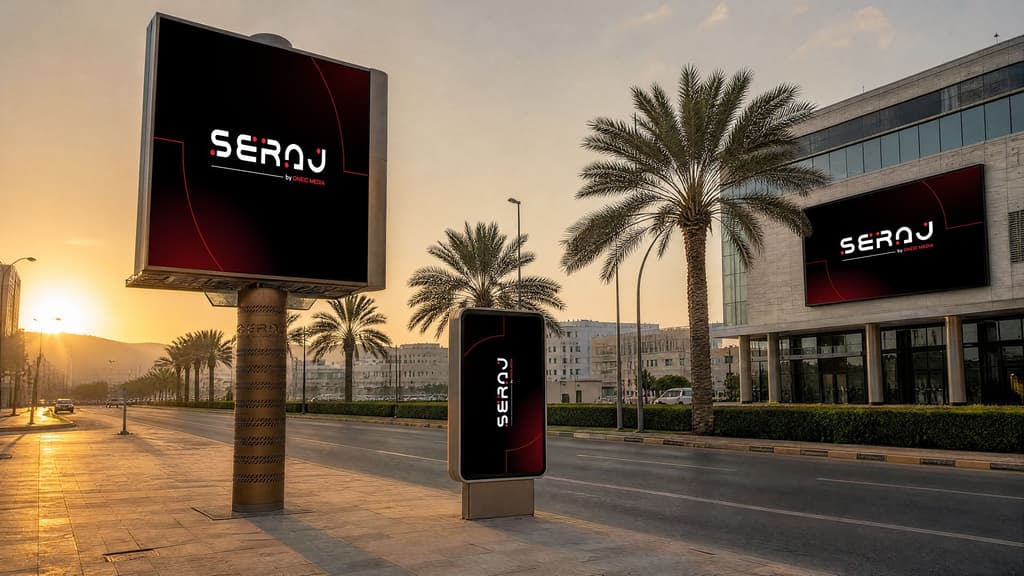
- Roadside digital advertising screens
- Shopping mall displays
- Airport screens
- Transit stations
- Business districts
- Commercial buildings
Here's the real difference from old-school advertising: nobody has to physically go swap out a poster. Content gets managed digitally, so a campaign can be updated from a laptop, no ladder or print shop required.
Launching a promo, announcing an event, or just changing the creative because it's gone stale becomes a much smaller job.
How Does DOOH Advertising Work?
Every screen ties into a content management system. That's what lets advertisers upload and schedule their ads remotely.
Instead of one ad sitting there for a month, a single screen can run through several campaigns in a single day. Say a restaurant wants breakfast ads in the morning, lunch deals by noon, dinner promos by evening. Same screen, three different messages, no one touching a single physical sign.
And because it's all digital, updates happen fast. Campaigns can be planned weeks in advance, and animation or short video clips can be dropped in to catch more attention than a still image would manage on its own.
Why Brands Are Investing in DOOH Advertising
The appeal of DOOH advertising is simple. It combines the broad reach of traditional outdoor advertising with the flexibility of digital technology.
Here are some of the main reasons brands are investing in digital outdoor media:
- Higher visibility: Bright, high-resolution digital screens stand out in busy environments and remain highly visible during both the day and night.
- Greater flexibility: Campaigns can be updated in minutes without printing new materials, making it easy to promote seasonal offers, limited-time deals, or new products.
- More engaging content: Animations, rotating creatives, and short videos naturally attract attention and help advertisements leave a stronger impression than static displays.
- Easier campaign management: Because content is managed remotely, advertisers can schedule campaigns, make updates quickly, and reduce the time and costs associated with physical production.
- Stronger brand awareness: Reaching people along their daily routes increases repeated exposure, helping build brand recognition and improve recall over time.
Common Types of DOOH Advertising
Not every screen serves the same purpose.
- Digital billboards work well for catching drivers on highways and main roads.
- Roadside screens do their job at busy intersections and commercial strips. Mall displays reach people who are already thinking about spending money.
- Airport screens catch travelers, whether they're flying for work or a holiday.
- Transit station displays reach commuters stuck waiting on a bus or train.
- Building façade displays turn the outside of a commercial building into one large, hard-to-ignore ad.
Which one makes sense really comes down to who you're trying to reach and what you actually want them to do afterward.
Industries That Benefit Most from DOOH Advertising
DOOH advertising is a versatile marketing solution that works across many industries. Businesses commonly use it to increase visibility, promote products and services, and connect with audiences in high-traffic locations.
- Retail: Promote seasonal sales, new product launches, store openings, and special offers.
- Automotive: Showcase new vehicle models, dealership promotions, and financing offers.
- Real Estate: Increase awareness of residential and commercial developments and attract potential buyers or investors.
- Hospitality and Tourism: Advertise hotels, resorts, travel destinations, and tourism experiences.
- Banking and Financial Services: Promote new banking products, financial services, and customer offers.
- Telecommunications: Highlight mobile plans, internet packages, new devices, and service promotions.
- Government Organizations: Deliver public awareness campaigns covering health, safety, education, and community initiatives.
- Entertainment and Events: Promote concerts, sporting events, festivals, movies, and exhibitions to large audiences.
Because digital content can be updated quickly, DOOH advertising is equally effective for long-term brand awareness campaigns and short-term promotions that require timely messaging.
DOOH vs Traditional Outdoor Advertising
Each one plays to its own strength.
DOOH wins on flexibility, full stop. Content updates instantly, campaigns get scheduled by time or date, and one screen can carry more than a single ad.
Traditional outdoor advertising takes a different approach. One creative runs for the whole campaign. That's it. Simple, and honestly, still effective for long-term brand building, since repetition on its own does a lot of the work.
DOOH also opens the door to more creative options: video, animation, rotating content, while traditional billboards live and die on bold visuals and a message short enough to read in two seconds flat.
Truthfully, it's rarely an either-or decision. Plenty of businesses run both together, letting digital and traditional outdoor advertising cover more ground and reinforce each other across different locations.
Best Practices for a Successful DOOH Campaign
A DOOH campaign that actually works comes down to three things: the message, the creative, and where it's placed.
- Keep it simple. People get a few seconds, tops, so one clear idea beats three competing ones every time.
- Go bold with the visuals. Sharp images that still read clearly from a distance. Skip the extra text nobody's going to stop and read.
- Give people something to do next. A website to visit, a QR code to scan, an app to download, a store to walk into.
- Time it right. Breakfast ads make sense in the morning; event promos make more sense heading into the evening.
- Pick locations that actually make sense. Put the ad where your audience genuinely spends time, not just wherever a screen happened to be free.
- Stay consistent. Same logo, same colors, same tone, every single time. That repetition is what actually builds recognition.
How to Choose the Right DOOH Locations
Location might be the single biggest factor in whether an outdoor campaign actually works.
Before locking in a screen, get clear on who you're actually trying to reach. Commuters? Shoppers? Office workers? Tourists? Families? The answer shapes everything else.
Traffic and visibility count for a lot too. A screen tucked inside a busy mall might be ideal for a retail push, while a roadside billboard might do more heavy lifting for a broader brand campaign.
Get the location right, and the rest of the campaign has a much easier time doing its job.
How SERAJ Media Helps Brands Succeed with DOOH Advertising
There's more to a good DOOH campaign than just booking a screen. It takes actual planning, the right placement, and creative that connects with the people you're trying to reach.
At SERAJ Media, we help businesses plan and run DOOH campaigns across Oman. We've got access to premium digital screens in high-traffic spots, and we help brands figure out which placements actually fit their goals and audience.
From the planning and scheduling side through to execution and support once it's live, our team stays hands-on through the whole thing, all built around getting real visibility and real results.
Launching something new, promoting an event, or building brand awareness over the long haul, SERAJ Media can help put together a campaign that actually does something.
Conclusion
As what people expect from ads keeps shifting, DOOH has turned into one of the more reliable ways for brands to connect with people out in the real world.
It takes the reach that outdoor advertising has always offered and adds the flexibility that only digital can bring, letting businesses update fast and speak to different audiences without much friction getting in the way.
A digital billboard, a roadside screen, a display tucked inside a mall; it doesn't matter which. Digital outdoor media is a genuinely effective way to build visibility and keep a brand top of mind.
Get the strategy and the locations right, and DOOH stops being a nice extra and starts being a real part of the marketing mix.
Working with SERAJ Media means expert planning, premium screens across Oman, and the experience to actually pull off a campaign worth running.