
A Beginner's Guide to Planning an Outdoor Advertising Campaign
Intro
Outdoor advertising isn't new. It's been around for decades, and it still works, which says a lot in an industry where half the tactics from ten years ago are already dead.
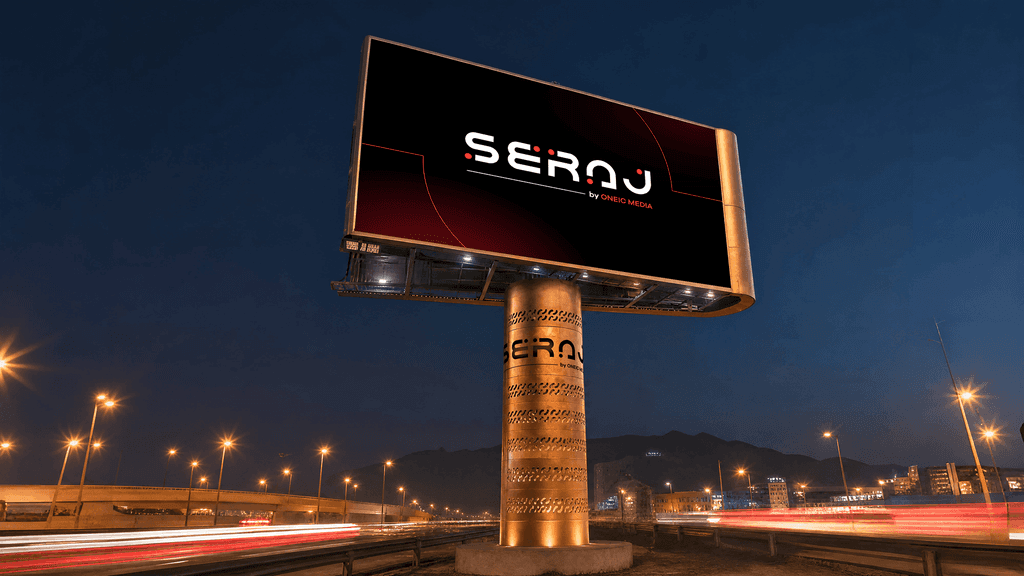
A billboard over the highway, a MUPI outside a mall, a digital screen downtown- all of it does roughly the same thing: it catches people mid-day, while they're actually out living their lives instead of staring at a phone.
But here's the part people underestimate. Picking a spot for your ad isn't the campaign. Not even close. There's real planning underneath it, knowing who you're actually talking to, and getting the location, the format, and the creative all pointed in the same direction.
If you've never done this before, here's the process, step by step.
What Is an Outdoor Advertising Campaign?
Basically, it's a coordinated push using out-of-home advertising, OOH for short, to get a brand, product, service, or event in front of people who are out in public.
It takes a few different shapes:
- Billboards
- MUPIs
- DOOH (Digital Out-of-Home) advertising
- Building wraps
- Transit advertising
Online ads have to fight for a few seconds of screen time. Outdoor doesn't have that problem. It shows up while someone's commuting, shopping, working, just going about their day, and that's exactly why it builds visibility and keeps a brand lodged somewhere in people's heads without much friction.
Most brands don't run outdoor alone, though. It tends to work best sitting alongside digital marketing, social, and whatever else is already part of the broader plan.
Why Careful Planning Matters
A campaign that's actually planned out gives you a real shot at reaching the right people and not burning through budget for nothing.
Planning helps you:
- Reach the people most likely to actually care about your business
- Pick locations that get real visibility
- Land on the format that fits your goal
- Keep your message consistent everywhere it shows up
- Measure whether it actually worked against clear objectives
Skip all that, and even a genuinely great-looking ad can just go nowhere. It happens more than people think.
Step 1: Define Your Campaign Goals
Every campaign that goes well starts with knowing exactly what it's for.
Ask yourself plainly what you actually want out of this. Common goals include:
- Building brand awareness
- Launching a new product or service
- Promoting a limited-time offer
- Driving traffic into a retail store
- Advertising an event
- Supporting a public awareness campaign
Whatever it is, that one answer shapes everything after it: where you place the ad, how you design it, and what counts as a win once it's over.
Step 2: Identify Your Target Audience
A great-looking ad means nothing if it's aimed at the wrong people.
Think through who you're actually trying to reach. Worth considering:
- Age group
- Lifestyle
- Interests
- Buying habits
- Daily travel routes
- Whether they're driving or walking
A campaign built for commuters usually does better on a roadside billboard. A retail push tends to land harder on a MUPI or a digital screen near a mall. The sharper your picture of who's watching, the easier every other decision gets.
Step 3: Choose the Right Outdoor Advertising Format
There's more than one way to run outdoor, and none of them do the exact same job.
- Billboards: Built for scale, reaching huge numbers of people along major roads and highways. Size and visibility are the whole point, which makes them a natural fit for broad brand awareness.
- MUPIs: Sit right up close to pedestrians in busy areas. People actually get time to look, which is why MUPIs tend to work well for promotions, local events, that kind of thing.
- DOOH advertising: Runs on digital screens and lets content change on the fly. Campaigns can update fast, rotate through different messages during the day, and use motion, animation, or video to catch more attention than a still image manages.
- Transit advertising: Shows up on buses, taxis, and at stations, catching commuters wherever their daily route takes them.
Plenty of the campaigns that actually work don't stick to one format. They mix two or three to cover more ground and say the same thing in different places.
Step 4: Select Strategic Locations
If there's one decision that matters more than the rest, it's this one.
A good location lines up with where your audience already spends their time, and it actually needs to be seen, not just technically present. When you're evaluating a spot, weigh:
- Traffic volume
- Pedestrian activity
- Visibility from different angles
- Nearby businesses and attractions
- Whether the area's residential or commercial
- Distance from your store or event
- The time of day when traffic actually peaks
A restaurant promo might do better near office parks or shopping centers. A national brand probably gets more out of a billboard on a busy highway. And honestly, location tends to move the needle more than format does. People remember where they saw something almost as much as what it said.
Step 5: Create Effective Advertising Creative
None of this matters if the ad itself is confusing.
People catch outdoor ads for a couple of seconds, tops. That's it. So the message has to land almost instantly, or it doesn't land at all. A few things that actually help:
- Keep the message short. One idea, not three competing for attention.
- Go bold on the visuals. Sharp images and strong color are what actually stop someone mid-step.
- Make the branding obvious. Logo and colors should be recognizable at a glance.
- Give people something to do next. A site to visit, a code to scan, a number to call, a door to walk through.
- Design for distance. Text that's fine up close might be unreadable from across the street.
Simple wins. Clever loses, more often than people expect.
Step 6: Set Your Budget and Campaign Duration
Budgets move around based on a few things:
- Advertising format
- Location
- Campaign duration
- Static or digital displays
- Number of placements running at once
Rather than chasing the cheapest number, think about what each placement is actually worth toward your goal. A tight campaign in a couple of well-chosen spots can genuinely beat a bigger, sloppier one.
Duration matters too. Brand awareness tends to want more time on the wall, while a seasonal offer or an event tie-in might only need a few weeks before it's done its job. Pick a length that actually gives people enough chances to notice and remember what they saw.
Step 7: Launch, Monitor, and Optimize
Getting the campaign live isn't the finish line.
Keep watching it once it's up, just to make sure everything's actually running the way it should. With DOOH especially, you can often tweak the creative or the schedule mid-run without starting over.
Track what actually happened:
- Brand awareness
- Customer inquiries
- Store visits
- Website traffic
- QR code scans
- Sales or leads
Use what you find. It's what makes the next campaign sharper than this one.
Common Outdoor Advertising Mistakes to Avoid
Even people who've done this a hundred times still trip on a few of these:
- Picking a location because it's cheap. A cheap spot that misses your audience isn't actually saving you anything.
- Cramming too much text onto the design. People barely have a few seconds to read it.
- Ignoring the audience altogether. The right location and format both hinge entirely on who's actually looking.
- Letting the branding drift. Keep the logo, colors, and message consistent across every placement.
- Ending a campaign too soon. Repetition is really what builds recall in the first place.
- Running the same creative everywhere. Adjusting it slightly for different locations or crowds often works better.
Good planning is really just avoiding these one at a time.
How SERAJ Media Helps You Plan Successful Outdoor Advertising Campaigns
Planning your first campaign can feel like a lot to hold at once. That's usually where having someone who's done it before starts to matter.
At SERAJ Media, we build outdoor campaigns around a business's actual goals, audience, and budget. Our team handles the strategic side, helping you land on the right formats and the right locations across Oman.
Billboards, MUPIs, DOOH, or some mix of the three; we shape it around what'll actually move the needle for you.
From the early planning through execution and whatever support comes after, we stay involved the whole way, aimed at getting real visibility and results you can actually point to.
Conclusion
A campaign that works starts well before the ad ever goes up. Clear goals, a real sense of your audience, the right format, a smart location, creative that actually communicates something. Get those pieces right and performance follows.
Outdoor advertising is still one of the strongest ways to build awareness and reach people in the real world, not just on a feed somewhere. With the right planning behind it, it earns its place in the broader marketing mix rather than just being an afterthought.
Ready to get your next campaign moving? Working with SERAJ Media means expert guidance, premium locations across Oman, and solutions actually built to help your business stand out.