
الدليل الشامل للإعلانات الخارجية وتأثيرها على زيادة الوعي بالعلامة التجارية
مقدمة
لا تزال الإعلانات الخارجية مهمة لأنها تصل إلى الناس في أماكن حياتهم اليومية. في وقت أصبحت فيه الشاشات والإعلانات الرقمية في كل مكان، تقدم الإعلانات الخارجية نوعًا مختلفًا من التواصل، تراه باستمرار، ولا يمكنك تجاهله بسهولة. لهذا السبب، ما زالت العلامات التجارية الكبرى تستثمر فيها بشكل مستمر.
الإعلانات الخارجية في أفضل حالاتها لا تزعج الجمهور ولا تقطع تجربته، بل تظهر بشكل طبيعي في المكان والوقت المناسبين. وهذا ما يجعلها وسيلة فعالة للعلامات التجارية التي تسعى إلى الانتشار وزيادة الظهور وتعزيز حضورها بشكل واضح في الواقع.
في هذا المقال، سنشرح دور الإعلانات الخارجية، مزاياها الأساسية، كيف تختلف عن القنوات الأخرى، وأين تناسب ضمن أي استراتيجية تسويقية حديثة.
ما الذي تقدمه الإعلانات الخارجية؟
تشمل الإعلانات الخارجية اللوحات الإعلانية، الشاشات الرقمية، إعلانات الطرق، وسائل النقل، والإعلانات الموجودة في الأماكن العامة. القيمة ليست فقط في أن الناس يرونها، بل في أنهم يرونها أثناء تنقلهم اليومي، أثناء الذهاب للعمل، التسوق، أو حتى الانتظار.
هذا يجعلها وسيلة قوية لبناء التكرار والاعتياد مع الوقت. عندما يرى الشخص نفس العلامة التجارية أكثر من مرة في أماكن مختلفة، تصبح مألوفة لديه بشكل طبيعي.
تشير جمعية الإعلانات الخارجية في أمريكا إلى أن هذا النوع من الإعلانات يعتبر وسيلة مرتبطة بالحياة اليومية، ويمكن أن يدعم القنوات الأخرى ويعزز تأثيرها. وهذا مهم لأن الظهور مرة واحدة لا يكفي، الأهم هو أن تبقى في الذاكرة.
عندما تظهر العلامة التجارية بشكل مستمر في أماكن مزدحمة، فإنها تبني حضورًا ذهنيًا قويًا لدى الجمهور. لذلك، تعتبر الإعلانات الخارجية خيارًا فعالًا لحملات التوعية، إطلاق المنتجات، والعروض التجارية.
دور الإعلانات الخارجية في المشهد الإعلامي الحديث
لم يعد التسويق اليوم يعتمد على قناة واحدة فقط، بل يعتمد على مزيج متكامل من الوسائل. النجاح الحقيقي يأتي من تنويع نقاط الوصول إلى الجمهور، وهنا تظهر أهمية الإعلانات الخارجية كعنصر أساسي في هذا المزيج.
الإعلانات الخارجية تقدم شيئًا مختلفًا عن الإعلانات الرقمية، لأنها موجودة في العالم الحقيقي، وليس داخل شاشة فقط. هذا يجعلها أكثر واقعية وأسهل في التذكر، خصوصًا عندما يراها الناس أثناء تنقلاتهم اليومية.
الميزة الأهم أنها تصل إلى الجمهور في لحظات الحركة والانشغال، عندما لا يكون الشخص أمام هاتفه أو منشغلًا بالتصفح. في هذا السياق، تصبح وسيلة فعالة في بيئة إعلامية مزدحمة يصعب فيها جذب الانتباه.
لهذا السبب، ما زالت الشركات تستثمر في الإعلانات الخارجية بشكل مستمر. فهي لم تعد وسيلة تقليدية، بل أصبحت أداة حديثة لبناء حضور قوي وتعزيز الثقة، خاصة عندما تحتاج العلامة التجارية إلى ظهور واضح ومتكرر في الحياة اليومية.
لماذا تساعد الإعلانات الخارجية في زيادة ظهور العلامة التجارية؟
يزداد ظهور العلامة التجارية عندما تتواجد في أماكن يراها الناس بشكل متكرر خلال يومهم. الإعلانات الخارجية تحقق هذا بشكل طبيعي لأنها جزء من البيئة المحيطة، وليست شيئًا يحتاج المستخدم للبحث عنه.
سواء كانت شاشة بالقرب من مركز تجاري، أو لوحة على طريق رئيسي، أو إعلان في منطقة مزدحمة، فإن هذه المواقع تخلق فرص تكرار مستمر للعلامة التجارية دون أي جهد من الجمهور للتفاعل.
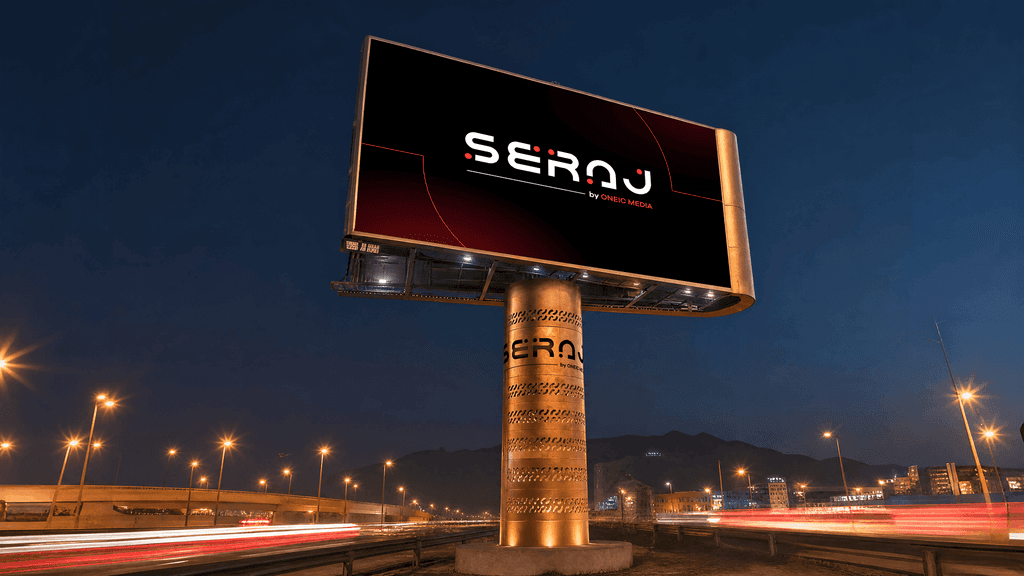
اختيار الموقع عنصر أساسي في نجاح الحملة. سراج ميديا تركز على وضع الإعلانات في مواقع استراتيجية مثل الطرق السريعة والمناطق ذات الكثافة العالية، وهذا يرفع مستوى الظهور بشكل كبير ويضمن وصول الرسالة إلى جمهور أوسع.
كما أن الشكل البصري يلعب دورًا مهمًا. اللوحات الكبيرة تساعد على جذب الانتباه بسرعة، بينما الشاشات الرقمية تضيف مرونة أكبر في عرض الرسائل وتحديثها. وعند الجمع بين الاثنين، تحصل العلامة التجارية على حضور قوي في لحظات مختلفة من يوم الجمهور، سواء أثناء القيادة أو التسوق أو التنقل اليومي.
مزايا الإعلانات الخارجية للعلامات التجارية
رغم تنوع القنوات التسويقية، لا تزال الإعلانات الخارجية تقدم مزايا واضحة يصعب تعويضها بالكامل من خلال القنوات الرقمية فقط. من أبرز هذه المزايا:
- الوصول الواسع: تتيح الإعلانات الخارجية الوصول إلى جمهور كبير ومتنوع خلال وقت قصير، خاصة عند توزيعها في مواقع حيوية مثل الطرق الرئيسية والمناطق التجارية المزدحمة.
- الاستمرارية: على عكس الإعلانات الرقمية التي تتوقف عند انتهاء الميزانية، تبقى الإعلانات الخارجية معروضة لفترة طويلة، مما يعزز التكرار ويساعد على ترسيخ العلامة في ذهن الجمهور.
- المصداقية: ظهور العلامة التجارية في الأماكن العامة يمنحها حضورًا أقوى ويعزز ثقة الجمهور بها، لأنها تبدو أكثر استقرارًا وانتشارًا في الواقع.
- المرونة: لم تعد الإعلانات الخارجية تقتصر على اللوحات التقليدية، بل تشمل شاشات رقمية وأنواعًا متعددة مثل Megacomm وUnipole وBridge، مما يتيح تصميم حملات متنوعة تناسب أهداف مختلفة وتوقيت
لماذا تنجح الإعلانات الخارجية في الحملات الاستراتيجية؟
تنجح الإعلانات الخارجية بشكل أكبر عندما يتم استخدامها ضمن خطة واضحة ومدروسة، وليس بشكل عشوائي. في كثير من الحالات، تكون الرسالة البسيطة والمباشرة كافية إذا وصلت إلى الجمهور في المكان والتوقيت المناسبين.
اختيار الموقع يعتبر عنصرًا حاسمًا في نجاح الحملة. نفس الإعلان قد يحقق نتائج مختلفة تمامًا حسب مكان عرضه، سواء كان على طريق سريع يشهد حركة يومية كثيفة أو بالقرب من مركز تجاري يستقبل زوارًا بشكل مستمر. الموقع هنا لا يغير فقط عدد المشاهدات، بل يؤثر أيضًا على جودة الوصول.
كما أن الإعلانات الخارجية لا تعمل بشكل منفصل، بل تكمل القنوات التسويقية الأخرى. قد يرى الشخص الإعلان أثناء تنقله في الشارع، ثم يقوم لاحقًا بالبحث عن العلامة التجارية عبر الإنترنت أو زيارتها في المتجر. هذا التداخل بين القنوات يجعل الإعلانات الخارجية جزءًا مهمًا من أي استراتيجية تسويقية متكاملة، لأنها تربط بين الوعي الفوري والتفاعل لاحقًا.
كيف تجعل الإعلانات الخارجية أكثر فعالية؟
لتحقيق أفضل نتائج من الإعلانات الخارجية، لا يكفي مجرد عرض الإعلان، بل يجب التخطيط له بطريقة مدروسة تركز على الوضوح والموقع والتوقيت. أهم الأساسيات تشمل:
- استخدام رسالة بسيطة وواضحة: كلما كانت الرسالة مختصرة وسهلة الفهم، زادت فرصة تذكرها بسرعة من قبل الجمهور أثناء المرور.
- تصميم مناسب للقراءة السريعة: يجب أن يكون التصميم واضحًا من مسافة قصيرة ووقت مشاهدة محدود، مع التركيز على العنوان الرئيسي والعلامة التجارية.
- اختيار مواقع ذات حركة عالية: المواقع المزدحمة مثل الطرق الرئيسية والمراكز التجارية تزيد من عدد مرات الظهور وتعزز الوصول.
- الاعتماد على شبكات إعلانية قوية: اختيار مزودين ذوي خبرة مثل سراج ميديا يساعد في ضمان مواقع استراتيجية وجودة عرض أعلى للإعلان.
- متابعة الأداء وقياس النتائج: تقييم الحملة بشكل مستمر يساعد على فهم مدى تأثيرها وتحسينها في الحملات القادمة لتحقيق أفضل عائد ممكن.
الخلاصة
تُعد الإعلانات الخارجية واحدة من أقوى الأدوات لبناء حضور حقيقي وملموس للعلامات التجارية في العالم الواقعي. نجاحها يأتي من كونها مرئية، متكررة، وصعبة التجاهل، مما يجعلها وسيلة فعالة لتعزيز الوعي بالعلامة التجارية وزيادة التذكر، وفي كثير من الحالات التأثير على قرارات الشراء.
بالنسبة للشركات التي تبحث عن انتشار واسع وحضور قوي، تظل الإعلانات الخارجية خيارًا مهمًا. سراج ميديا تقدم هذا الحل في عُمان من خلال شبكة تضم أكثر من 350 شاشة ثابتة ورقمية، وأكثر من 12 شاشة عملاقة في مواقع استراتيجية مصممة لتحقيق أقصى تأثير.